Reflections After My First TEDx Talk
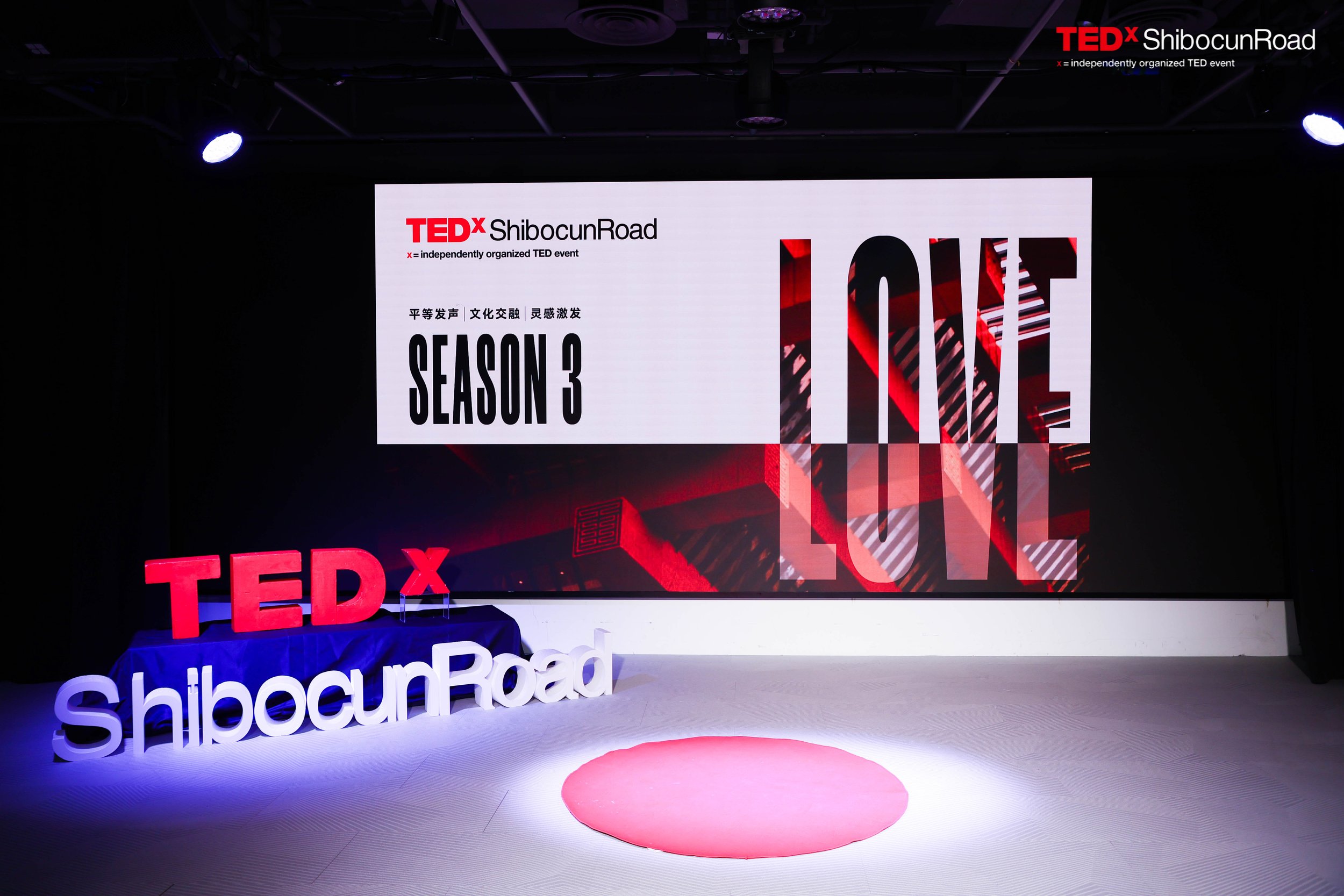
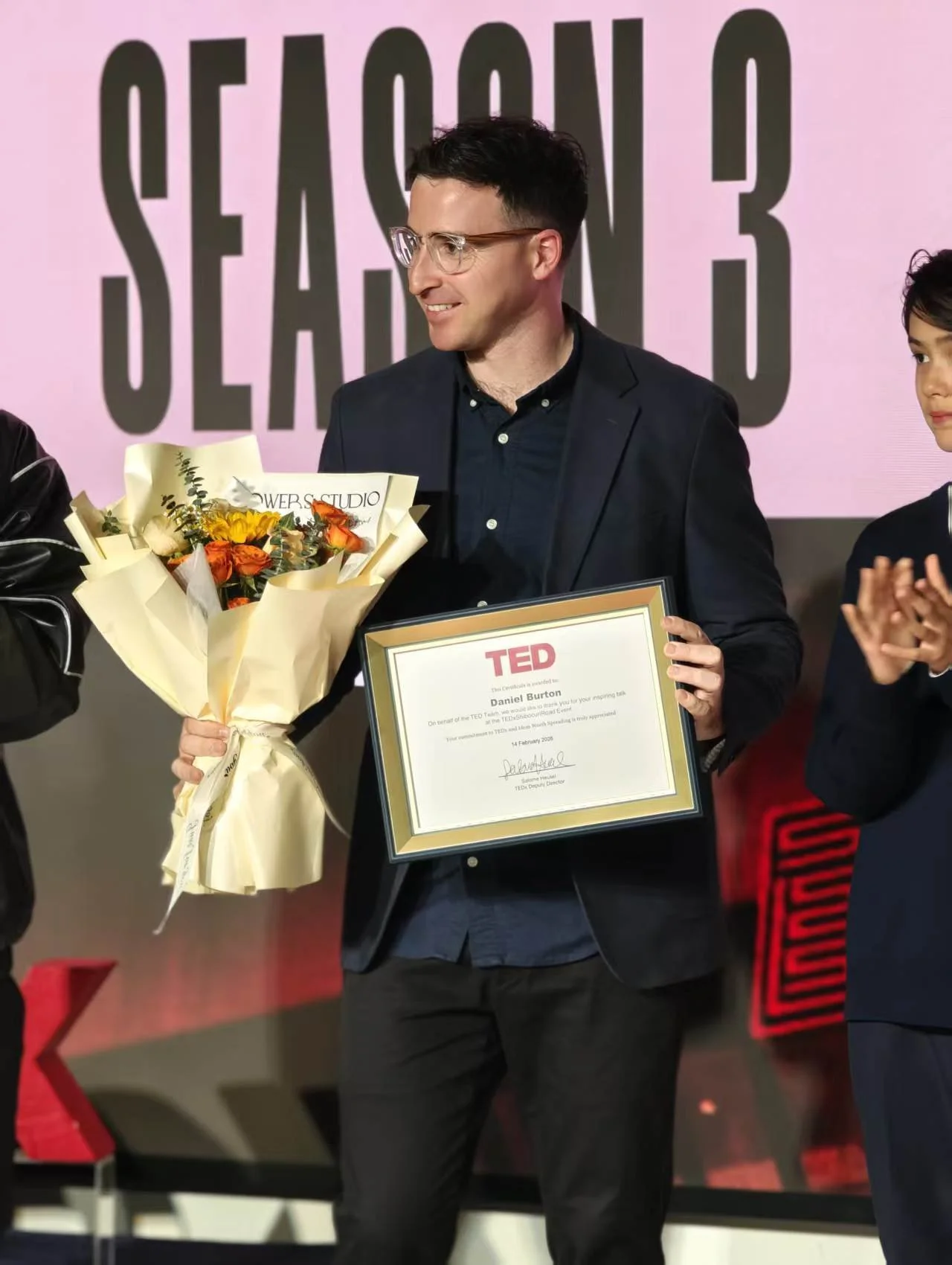
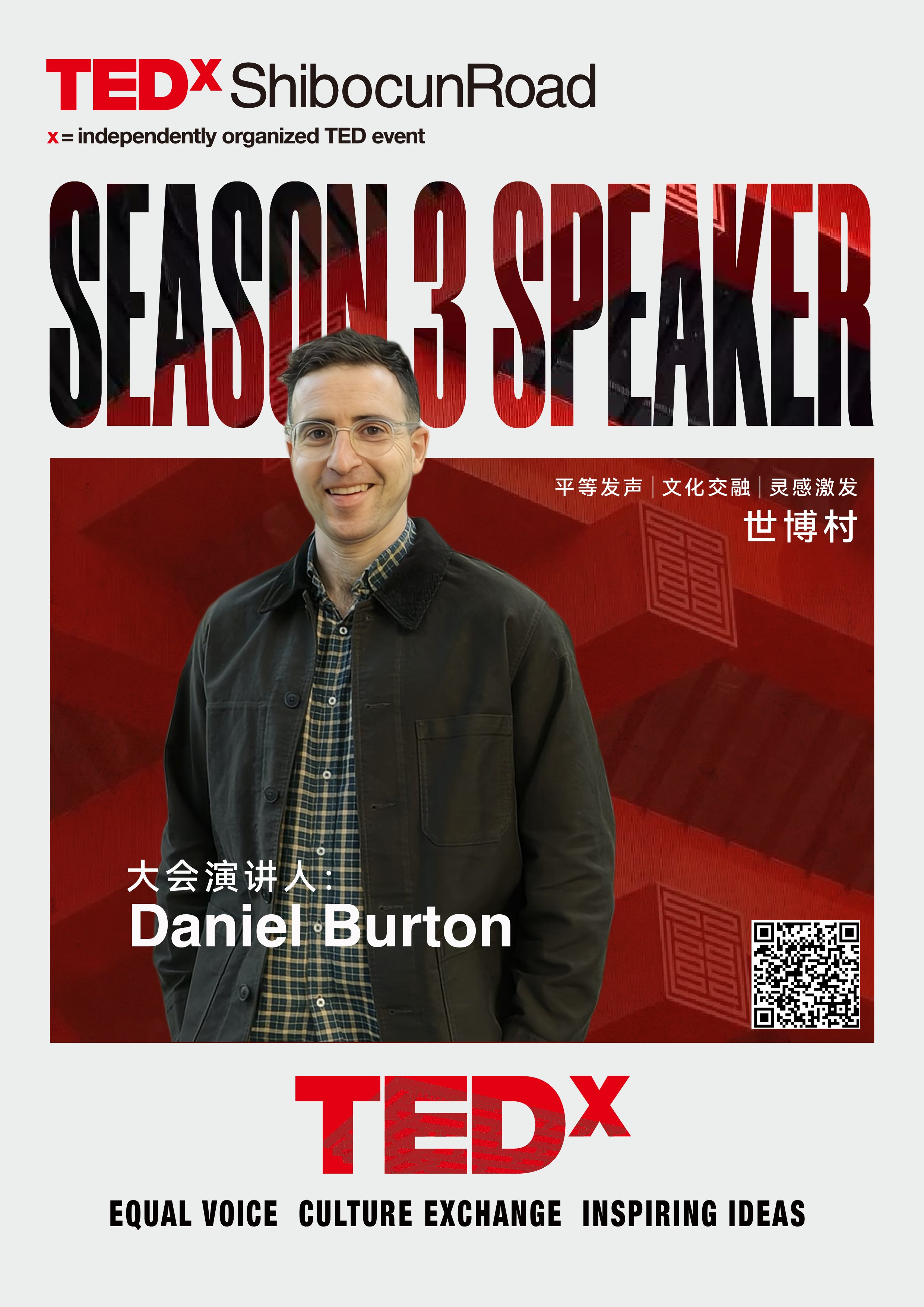
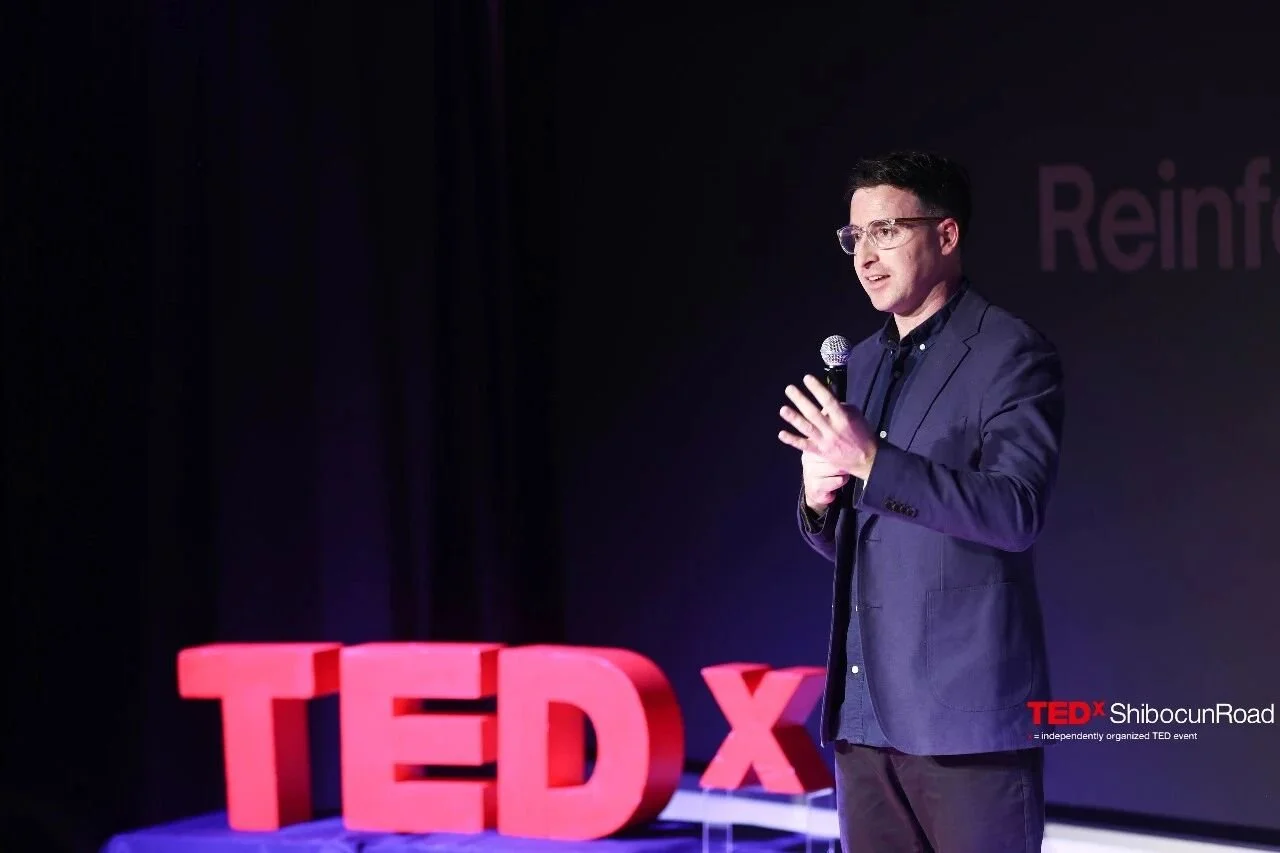
Just over 2 weeks ago, I delivered a TEDx talk in Shanghai. Shoutout to TEDx Shibocun!
It’s not something I ever imagined I would be doing, especially as someone who previously never felt incredibly confident speaking on big stages or in front of large audiences.
Now that it is all done, I have had a bit of time to reflect on the experience. I thought I would share it here in case it is useful to anyone who is curious about TEDx, public speaking, or simply putting yourself forward for something new.
What the Talk Was About
I’m coming up to eleven years living in Asia. Over that time, I’ve travelled, experienced new cultures, and seen how perspective shifts when you step outside what feels familiar.
The talk explored the idea that we move through the world with invisible filters. Assumptions. Expectations. Stories we inherit from media, from upbringing, from the environments we grow up in.
Through leaving New Zealand, navigating uncertainty in Asia, and eventually returning home with new eyes, I shared how growth doesn’t come from chasing novelty. It comes from staying present long enough for your first assumptions to loosen.
We often decide too early. About places. About people. About ourselves.
And in professional life, that habit can show up more than we realise.
How The Process Began
I have been a member of Toastmasters in Shanghai for about four years. For anyone not familiar, Toastmasters is a long-running non-profit organisation that helps people practise and build public speaking skills in a supportive environment.
During my time in two clubs, Shanghai Imagine and Shanghai 5A+, I have met some amazing people, and a few members who I now call close friends. Many of them are also role models when it comes to public speaking.
Over the past year, I watched a couple of close friends step onto the TEDx stage. They made it look effortless. Seeing that, I remember thinking, is there any real reason why I could not do the same?
That thought disappeared for a while until one day, out of nowhere, I saw a TEDx post on my phone. It was a preview for an audition event happening later in October. I scrolled through, saw a QR code for speaker recruitment, and within five minutes I submitted my application. A proposed talk, a short bio, and a link to a previous public speaking recording.
A day later I received an SMS asking if I would join the audition event with 15 other speakers.
This was only the audition. The main event would happen months later.
The Initial Audition Event
For the audition, we had to prepare a talk no longer than six minutes. That might sound long, but official TEDx talks can run up to around 18 minutes.
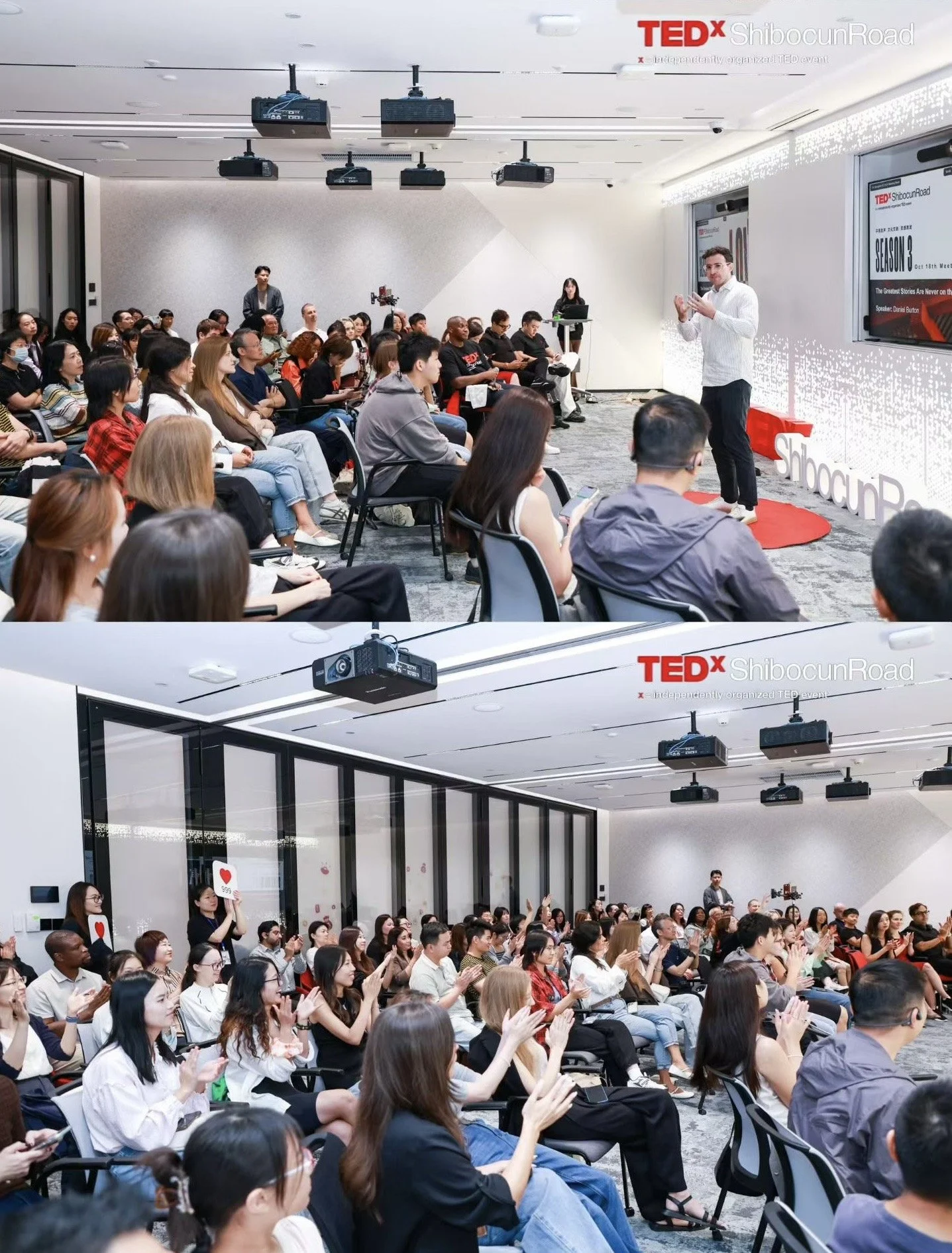
I was probably a bit naive. I assumed an audition would be a small setting with a few organisers and speakers. Instead, there were 80 plus people packed into the room, photographers, and a live stream running through their WeChat account.
The audition talk went well, with no issues on delivery, and I finished right on the six-minute mark, which was a huge relief. After the event, we were told the talks would be reviewed and that next steps would be communicated within the following month or so.
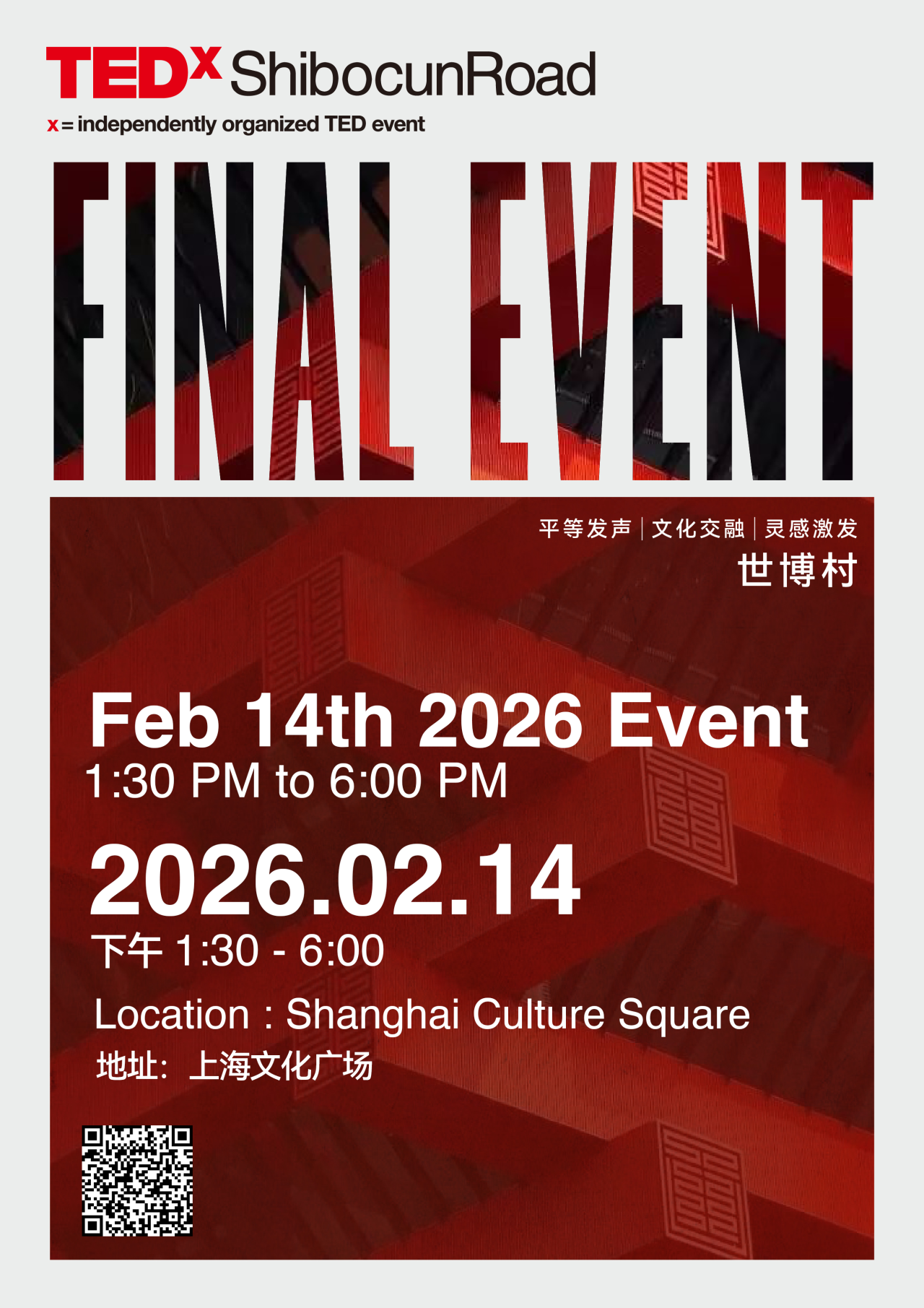
Fast forward to late November, I received the message inviting me to speak at the official TEDx event on Feb 14.
That was the moment it really sunk in. This was happening
Main Talk Preparation and Delivery
The biggest challenge was moving from a six-minute audition talk to a full-length talk closer to 15 to 18 minutes.
I remember thinking, you do not want to fill time for the sake of filling time. You have to keep it engaging, and the message has to stay clear.
I went through waves of adding too much content and then cutting too much. This continued for several drafts until I realised that if I kept changing everything, I would eventually overwhelm myself trying to make it perfect.
After seven iterations, I made the decision to back myself and commit. The stories and the messaging were real and authentic to me, so I needed to trust that.
A couple of days before the event, I became more nervous than I expected. Not because I was afraid of the stage, but because I had set a high standard for myself and wanted to feel proud of what I delivered.
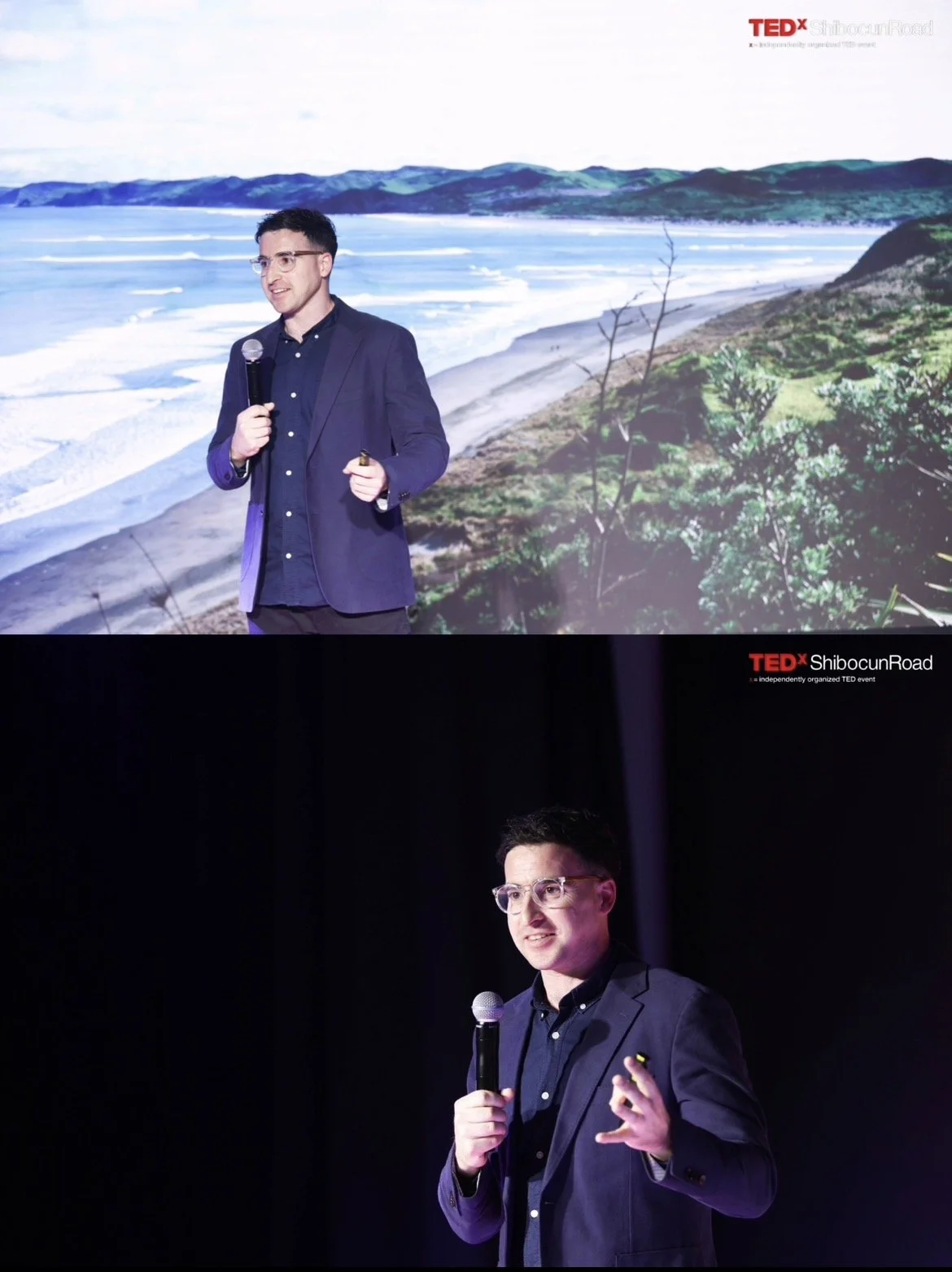
On the day, stepping onto the stage was intense. Lights, cameras, and a room full of people sitting in silence. The first minute felt overwhelming, and I could hear the nerves in my voice.
Then, once I got into the story and started to hear a few laughs, and once I could see people reacting, I settled. From that point, I actually enjoyed it.
Directly after the talk, my first thought was that it was okay, but it could have been better.
Then I spoke to people around the venue. Friends, other speakers, and people I had never met before. The feedback was genuinely positive, and it reminded me of something simple.
I am the only one who knows the script. The audience only experiences the message.
Key Learnings
Back yourself - I overthought the script a lot. At some point you have to commit and trust what you are trying to say, especially when it is genuine and personal.
Do not confuse more content with more impact - Moving from six minutes to fifteen minutes is not about adding stories. It is about protecting the spine of the message.
Nerves are not always a negative - They often just mean you care and you want to do your best. The goal is managing nerves, not eliminating them.
Authenticity lands more than perfection - The moments I worried about the most were not what people remembered. They remembered the message and how it made them feel.
Seek feedback and stay open to different perspectives - It is not always comfortable, but it is valuable. People outside your own thinking can help you see what you missed.
All in all, I am glad I took the opportunity.
I am not a professional public speaker. I just had something I wanted to share and decided to go after it.
If you are sitting on a story or an idea you care about, maybe this is your reminder that you do not need to feel fully ready before you put your name forward.